Before You Buy a Hardware Wallet: 5 Security Decisions That Actually Matter
From seed generation to transaction signing, discover five security questions worth asking before choosing a hardware wallet.

From seed generation to transaction signing, discover five security questions worth asking before choosing a hardware wallet.

The Keplr and Web3Auth incident exposed risks in social-login wallets. Learn who controls your private keys and what it means for self-custody.

Three real-world security incidents reveal why seed backup design, strong entropy, and readable transaction signing matter in 2026.
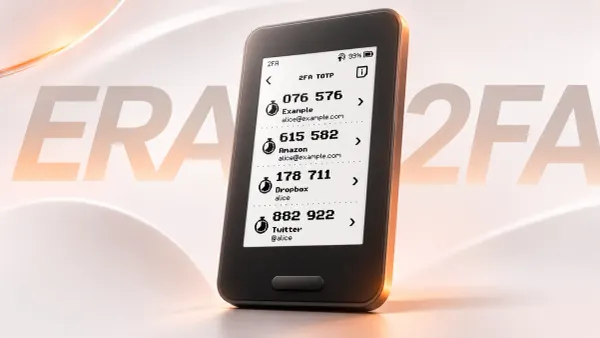
Your hardware wallet can do more than protect crypto. Discover how ERA Wallet also works as an offline 2FA authenticator for everyday accounts.
Owning your crypto payment server doesn't necessarily protect your keys. Here's what the BTCPay Server incident teaches us about self-custody.
What happened in the $6.3 billion Binance security incident? Explore the suspected attack mechanism, frozen assets, and implications for crypto holders.
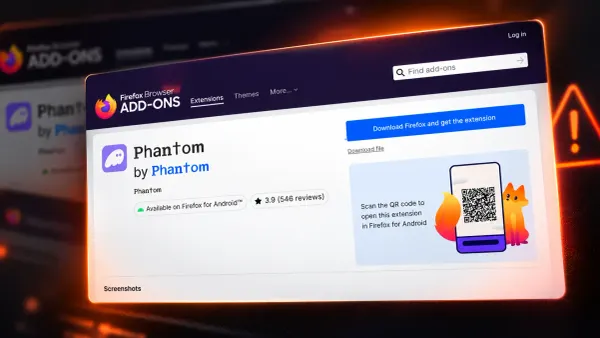
A fake Phantom extension had 546 reviews. Here's how wallet impersonation works and why verifying both your app and hardware matters.

Can a trading bot put your crypto at risk without exposing your private key? The Bloom Trading hack reveals why signing control matters.
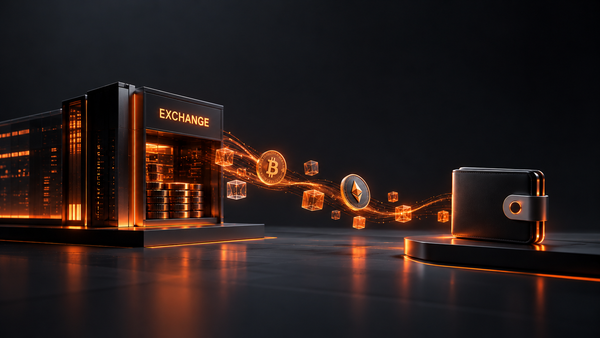
Your exchange balance shows how much crypto you have. But who actually controls it? Discover how crypto custody works and why it matters.

One click creates a crypto wallet, but what happens behind the scenes? Learn how private keys, seed phrases, and public keys work, where your keys live, and why that matters for security.
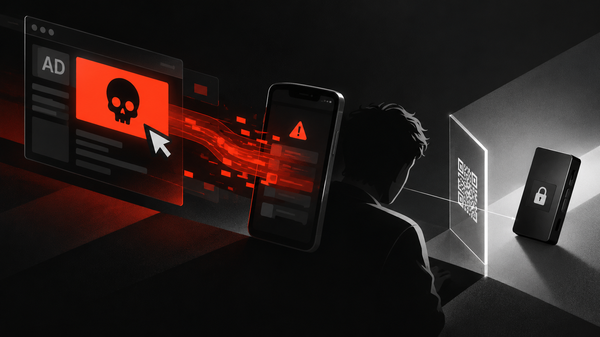
On October 15, Citizen Lab published a report on AdFection, a scheme in which a single targeted ad impression may have been enough to infect a device without any user click. The researchers link the infrastructure to Discover-Tech and to the delivery of Candiru spyware on Al Jazeera devices.
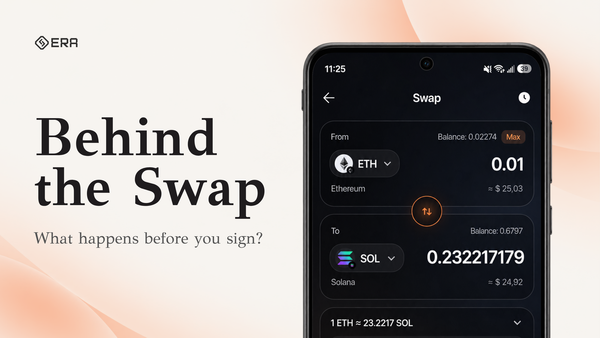
The invisible steps behind every crypto exchange - from DEX aggregators and cross-chain bridges to blind signing and transaction security. You press a single button. Within seconds, several different systems agree on exactly how your crypto assets should move. In most cases, you don't even notice this. And