How to Recover a Crypto Wallet With a Seed Phrase
Learn why a restored crypto wallet can show a zero balance, how passphrases and derivation paths affect recovery, and how to test your backup before you need it.


Losing a hardware wallet doesn't necessarily mean losing your crypto. A seed phrase can restore access to your assets on a compatible wallet. But recovery doesn't always end with your familiar balance appearing on screen. Sometimes a wallet accepts all 12 or 24 words, generates new addresses, and shows zero funds.
The problem may have nothing to do with missing crypto. Additional wallet settings can change which addresses are generated, even when the recovery phrase is correct. Here's how crypto wallet recovery works, why it sometimes fails, and how to verify that your backup can actually restore access.
What Happens to Your Crypto When You Lose a Wallet?
Your cryptocurrency isn't stored inside a hardware wallet. Assets are recorded on the blockchain, while the wallet manages the private keys needed to authorize transactions.
A recovery phrase allows a compatible wallet to regenerate those keys. If a device is lost, damaged, or replaced, you can typically recover access without asking the manufacturer to restore anything.
How to Recover a Wallet Using a Seed Phrase
Most wallets use hierarchical deterministic key generation. Under the widely adopted BIP-39 standard, a mnemonic phrase, commonly containing 12 or 24 words, is converted into a cryptographic seed.
A typical recovery process involves four stages:
- Choosing a compatible wallet. The new device or application must support the original backup format.
- Entering the recovery phrase. Words must appear in their original order. For hardware wallets, entering them directly on the trusted device is preferable to typing them into a computer.
- Regenerating the keys. The wallet derives private keys and addresses from the recovered seed.
- Checking the accounts. The user selects the relevant network and compares the restored addresses with the originals.
However, a valid 12 or 24 word seed phrase doesn't guarantee that every address will reappear automatically. Additional passphrases, derivation paths, and account settings may affect the result.
Why Does a Recovered Wallet Show a Zero Balance?
1. The Wrong Network or Account Is Selected
One seed phrase can generate addresses across multiple blockchains. A wallet application may not automatically display every supported network, account, or token.
Compare the original public address with the restored one. If they match, investigate the selected network, token visibility, and transaction history.
2. The Derivation Path Is Different
A single seed can generate many private keys and addresses. The derivation path determines which keys the wallet derives.
BIP-44 defines one common hierarchical structure, but wallet implementations may use different paths or address formats.
3. The Passphrase Is Missing or Incorrect
An optional BIP-39 passphrase, sometimes informally called the 25th word, is a separate secret combined with the mnemonic during seed generation.
The same recovery phrase with different passphrases generates different wallets. Entering an incorrect passphrase doesn't necessarily trigger an error. Instead, the wallet may display entirely different addresses.
If the original wallet used a passphrase, the recovery words alone won't recreate the intended accounts.
4. The Wrong Seed Phrase Was Restored
Some hardware wallets support several independent seed phrases on one device, each requiring its own backup. We explored this distinction in our comparison of hardware wallets supporting multiple seed phrases.
Can You Recover a Crypto Wallet Without the Complete Seed Phrase?
A standard BIP-39 recovery phrase isn't designed to be restored from an arbitrary incomplete set of words. Missing words can make recovery computationally difficult or practically impossible, depending on how much information remains.
An alternative is Shamir Secret Sharing, which divides a secret into multiple shares.
Under a threshold scheme, a predefined number of shares is required to reconstruct the secret. For example, a 2-of-3 configuration allows recovery using any two valid shares from the same set.
How ERA Wallet Approaches Wallet Backups
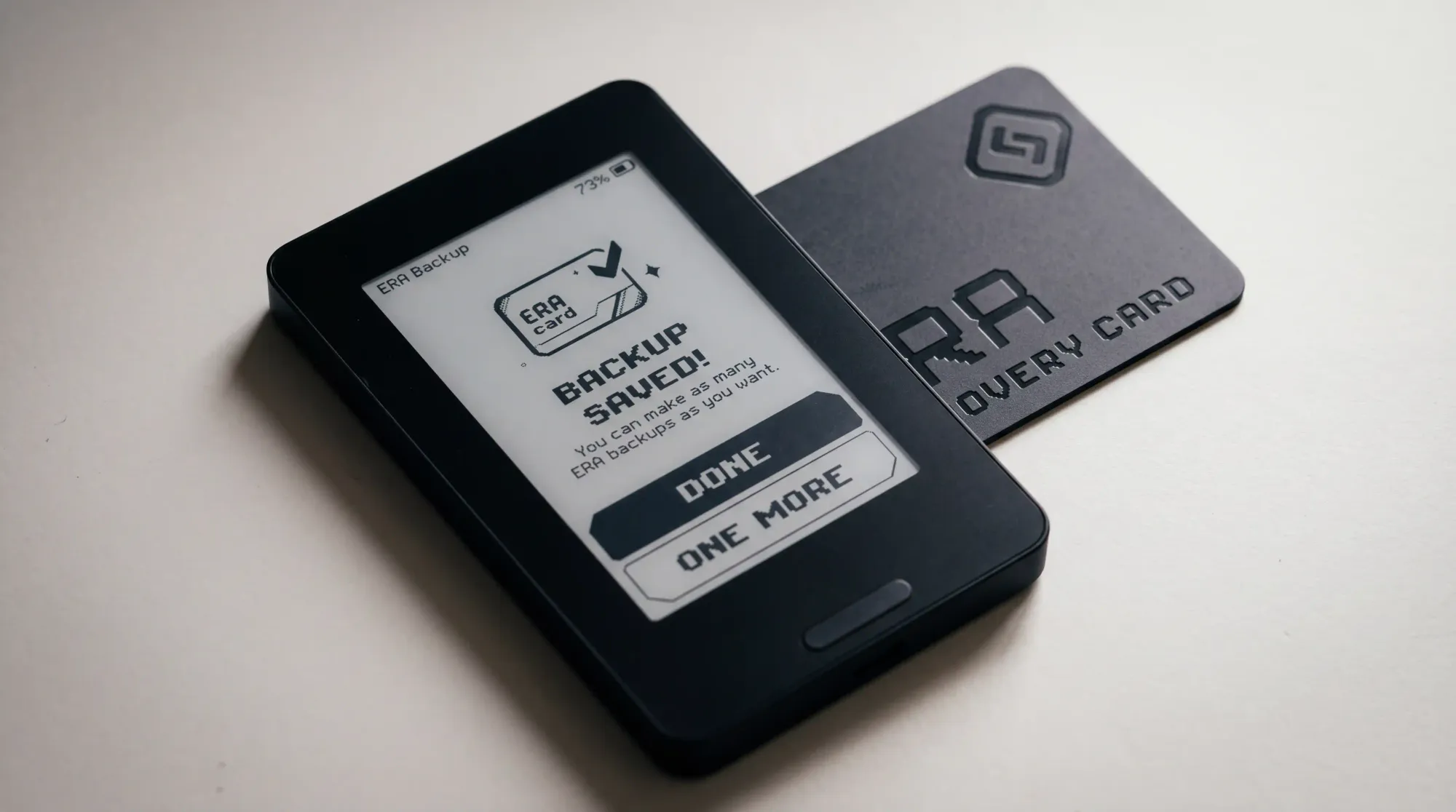
ERA Wallet supports several backup methods: standard 12- or 24-word recovery phrases, Shamir Secret Sharing, and ERA Recovery Card.
ERA Recovery Card stores an encrypted backup on an NFC card protected by a PIN. On a compatible ERA Wallet device, it offers an alternative to manually entering recovery words.
None of these methods allows the manufacturer to recover an unknown seed phrase or forgotten passphrase. The differences are explained in the ERA Wallet backup guide.
Why Crypto Wallet Recovery Attracts Scammers
Fake recovery services may promise to recover a lost seed phrase, fix a wallet error, or retrieve a missing balance. Their supposed solution often involves asking users to enter recovery words into a website or send them to a support representative.
Malicious browser extensions can imitate legitimate wallet applications and capture phrases during the import process. We examined this attack pattern in our investigation of fake crypto wallet extensions.
Storing recovery phrases as photographs creates another exposure risk. Malware can scan images for sensitive information, as explained in our analysis of seed phrase theft from phone galleries.
If you've entered a recovery phrase into a suspicious website or application, treat it as potentially compromised. Restoring the same wallet on a new device doesn't invalidate keys that an attacker may already possess. A newly generated wallet and transfer of remaining assets may be necessary.
Why You Should Test Wallet Recovery Before an Emergency
Testing while the original wallet is still accessible can expose these problems without requiring a real transaction.
A compatible spare hardware wallet can reproduce the keys from the backup. Comparing its public addresses with the originals provides evidence that the corresponding secrets and derivation settings were recovered correctly.
Resetting your only working wallet solely to test recovery introduces unnecessary risk, especially when the backup hasn't yet been verified.
Can I Recover My Wallet on a Different Hardware Wallet Brand?
Yes, provided the new wallet supports the original backup format, derivation paths, and other required settings. Using the same number of recovery words doesn't guarantee complete compatibility.
Why Does My Wallet Accept the Seed Phrase but Show No Crypto?
Possible reasons include a different network, account, derivation path, incorrect passphrase, or the wrong recovery phrase. Comparing public addresses helps identify the cause.
Can I Recover a Lost Crypto Wallet Without a Seed Phrase?
Other recovery methods may be available if the original device still works or another valid backup exists. Without access to the necessary keys or recovery material, the manufacturer cannot recreate your wallet.
What Is a Crypto Wallet Seed Phrase?
It's a sequence of words used to derive the cryptographic seed from which a wallet generates private keys and addresses. BIP-39 is one commonly used format.
How Does a Seed Phrase Work?
A compatible wallet converts the mnemonic and any optional passphrase into a cryptographic seed. It then derives the corresponding private keys and addresses using defined derivation rules.
Conclusion
Successful wallet recovery depends on more than keeping a copy of your recovery words. Passphrases, derivation paths, and account settings determine whether the restored wallet displays the addresses you expect.
The practical takeaway is to verify your backup while your original wallet is still accessible. Confirming that it reproduces the correct addresses is far easier than troubleshooting an unfamiliar recovery process after losing your device.
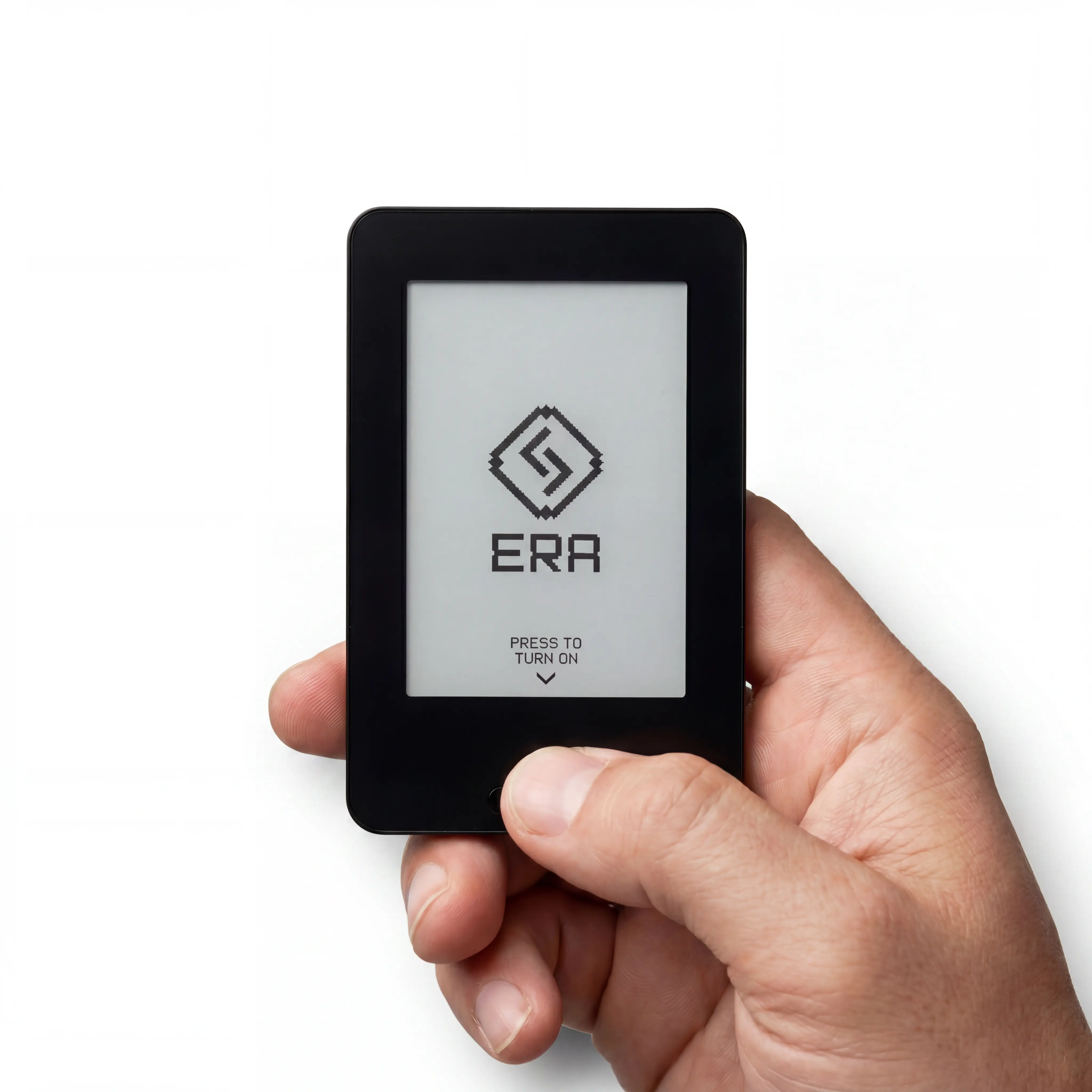
A recovery plan is only useful if you can verify it.
Use the code below for 20% off.