
Can You Recover Stolen Crypto? What Tracing Can and Can't Do
Learn when stolen cryptocurrency can be traced, frozen, or legally recovered, what to do in the first hours after a theft, and how to avoid fraudsters posing as recovery specialists.


If you're trying to recover stolen crypto after a wallet compromise or crypto scam, the first question is whether the money can still be reached. Blockchain investigators may be able to follow stolen assets across multiple addresses and networks. But tracing the funds and recovering them are different processes. The outcome depends on who controls the assets, whether they can be frozen, and what legal action is available.
Why Blockchain Transparency Doesn't Make Transactions Reversible
Bitcoin and Ethereum maintain public transaction histories. With a wallet address or transaction hash, anyone can examine transfers, amounts, destinations, and subsequent movements.
What the blockchain doesn't automatically reveal is who owns an address.
Confirmed transactions also cannot simply be canceled by contacting a blockchain network. If an attacker controls the private keys to the receiving address, the victim has no built-in mechanism to reverse the transfer.
The distinction matters after a crypto hack involving a vulnerable protocol. In the Ankr bridge exploit, forged cross-chain receipts caused assets to be released despite valid cryptographic signatures.
What Blockchain Tracing Can Actually Reveal
Blockchain tracing starts with known addresses and transaction hashes. Investigators follow subsequent transfers, identify patterns between addresses, and look for interactions with identifiable services.
- Direct wallet transfers. Transfers between public addresses can usually be followed through on-chain records.
- Centralized exchanges. Once assets reach an exchange, transfers may continue through internal accounting systems that aren't visible on the blockchain.
- Cross-chain bridges. Investigators must connect activity across different networks, sometimes involving wrapped assets or multiple intermediary transactions.
- Mixers. These services obscure relationships between incoming and outgoing transfers. Analysis may still produce leads, but confidently linking individual transactions becomes harder.
A tracing report may identify a destination exchange, a cluster of associated addresses, or a possible cash-out route.
When Can You Recover Stolen Crypto?
In November 2025, the U.S. Department of Justice announced that approximately $84,327 had been returned to a Georgia victim who had lost around $124,000 in cryptocurrency. The FBI traced much of the stolen value, seized assets, and worked through civil forfeiture proceedings before returning the proceeds.
In March 2026, the DOJ announced another recovery involving approximately $470,735 for two victims of an investment scam. Investigators seized 470,773 USDT associated with the victims' payments. The DOJ acknowledged Tether's assistance in transferring the assets.
- Exchange intervention. A centralized exchange may restrict an account under its internal procedures or in response to legal process.
- Token issuer intervention. Certain centrally issued tokens support address freezing or other administrative controls, subject to the issuer's policies and applicable law.
- Legal seizure and forfeiture. Authorities may identify and seize assets, then return proceeds to eligible victims through the relevant legal process.
None applies universally. Bitcoin held in an attacker-controlled self-custody wallet cannot be frozen by an exchange that doesn't control it.
What to Do If Crypto Is Stolen
The first hours after crypto theft are about preserving what remains and improving the chances of an effective investigation.
- Identify the compromise. A leaked seed phrase, malicious token approval, and compromised exchange account require different responses. Avoid generating replacement keys on a device that may be infected.
- Secure remaining assets. If a private key or seed phrase was exposed, create a new wallet with fresh keys in a trusted environment and transfer any remaining funds. Don't reuse the compromised recovery phrase.
- Revoke token approvals where appropriate. If a malicious contract received spending permissions, follow Ethereum's guide to revoke token approvals. Revocation can prevent further use of that permission, but it cannot reverse previous transfers or protect an exposed private key.
- Preserve evidence. Record transaction hashes, wallet addresses, networks, token amounts, timestamps, suspicious websites, and relevant communications.
- Report the incident. Contact any exchange that received the assets through its verified support channels, and file a report with the appropriate authorities. U.S. victims can report cryptocurrency fraud through the FBI's Internet Crime Complaint Center.
How Crypto Recovery Scams Target Victims Twice
After a crypto theft, victims may encounter people advertising crypto recovery services.
The FBI warned in August 2023 that fraudulent recovery companies collect upfront fees, disappear, or provide incomplete tracing reports before demanding additional payments.
- Guaranteed recovery. A promise of a successful outcome before the case has been investigated.
- Unlocking fees. Requests for taxes, verification deposits, or additional payments to release supposedly recovered assets.
- Seed phrase requests. An investigator doesn't need a victim's private keys or recovery phrase to analyze public transactions.
- Fake authorities. Impersonation of FBI agents, lawyers, exchange investigators, or regulatory officials.
- Imitation websites. Fraudulent portals designed to capture personal information, wallet credentials, or additional payments.
In July 2026, the FBI described scammers using AI-generated videos impersonating agency personnel and fake IC3 websites to target previous fraud victims.
Legitimate blockchain analysis and legal representation do exist. Before hiring anyone, independently verify the firm's registration, professional credentials, contact details, and contract terms.
How to Reduce the Risk Before a Theft Happens
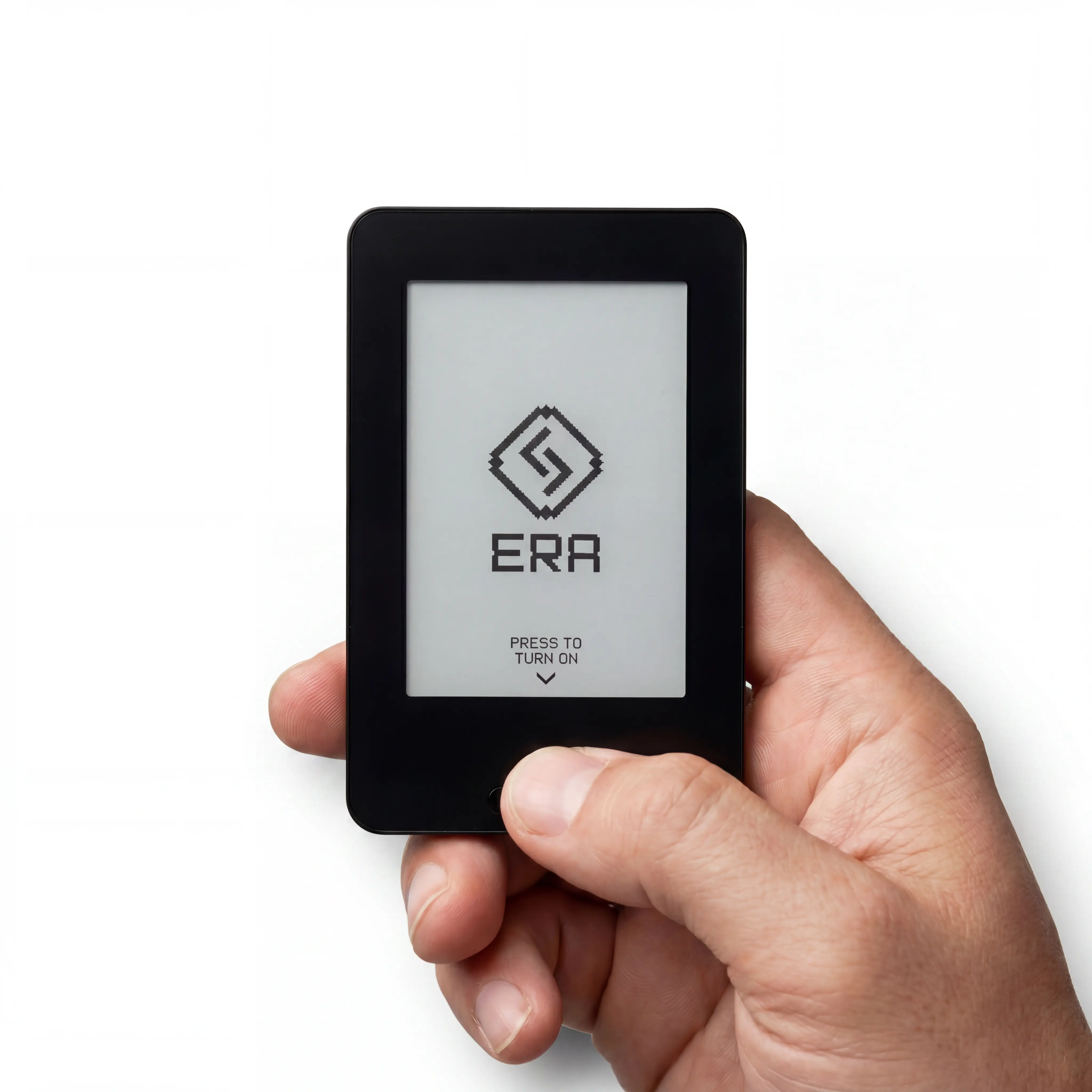
Review what you're signing. A transaction may authorize more than a simple token transfer. ERA Lens on the ERA Wallet device decodes supported transaction details into readable fields before signing, including amounts, recipients, fees, and token information. This helps users review what they authorize, but it cannot establish that every smart contract is safe or free from hidden vulnerabilities.
Verify receiving addresses. Compare addresses in your wallet application with those displayed independently on the hardware device. The ERA Wallet device lets users view and verify deposit addresses on its screen.
Separate high-risk activity from savings. Use distinct wallets and keys for long-term holdings, routine transactions, and experimental DeFi activity.
These precautions address user-controlled risks. They cannot prevent a protocol accounting failure like the Arcus exploit, where incorrect internal balances enabled unauthorized withdrawals without a reported private-key compromise.
FAQ: How to Recover Stolen Crypto
Can Stolen Crypto Be Recovered After It Reaches a Scammer's Wallet?
Sometimes. Recovery may be possible if assets later enter a platform capable of restricting them or become subject to lawful seizure. Simply identifying the address does not grant control over the funds.
Can a Confirmed Bitcoin or Ethereum Transaction Be Reversed?
Not through an ordinary cancellation process. Recovering value generally requires a new transfer by the controlling party or an applicable legal seizure process.
What if the Stolen Crypto Reaches a Centralized Exchange?
Contact the exchange's official security team immediately with the relevant addresses and transaction hashes. Report the theft to law enforcement as well. Freezing depends on the exchange's control over the assets and its applicable procedures.
How to Find a Legitimate Crypto Recovery Service?
Verify the company's registration, professional credentials, and written terms independently. Avoid guaranteed outcomes, unsolicited offers, seed phrase requests, and demands to pay fees to unlock alleged recovered assets.
How Long Does Crypto Recovery Take?
There is no standard timeline. Tracing may identify an address quickly, while investigations, court proceedings, and victim compensation can take months or longer. Some cases never result in recovery.
Conclusion
After a theft, prioritize securing remaining funds, preserving transaction evidence, and contacting organizations with the ability to act. Paying an unknown intermediary to supposedly unlock recovered assets can turn one loss into two.
Blockchain records can reveal where stolen crypto traveled. Getting it back requires a separate technical or legal mechanism. The most useful investigation is therefore one that identifies not just a destination address, but whether anyone with legitimate authority can intervene.
Verify Before Signing. Protect What You Can Control.
Use the code below for 20% off.