
How Many Crypto Wallets Should You Have? Splitting Funds Without Creating New Risks
Separate everyday spending, long-term savings, and DeFi activity without multiplying recovery risks. Learn when independent seed phrases make sense and how to manage backups.

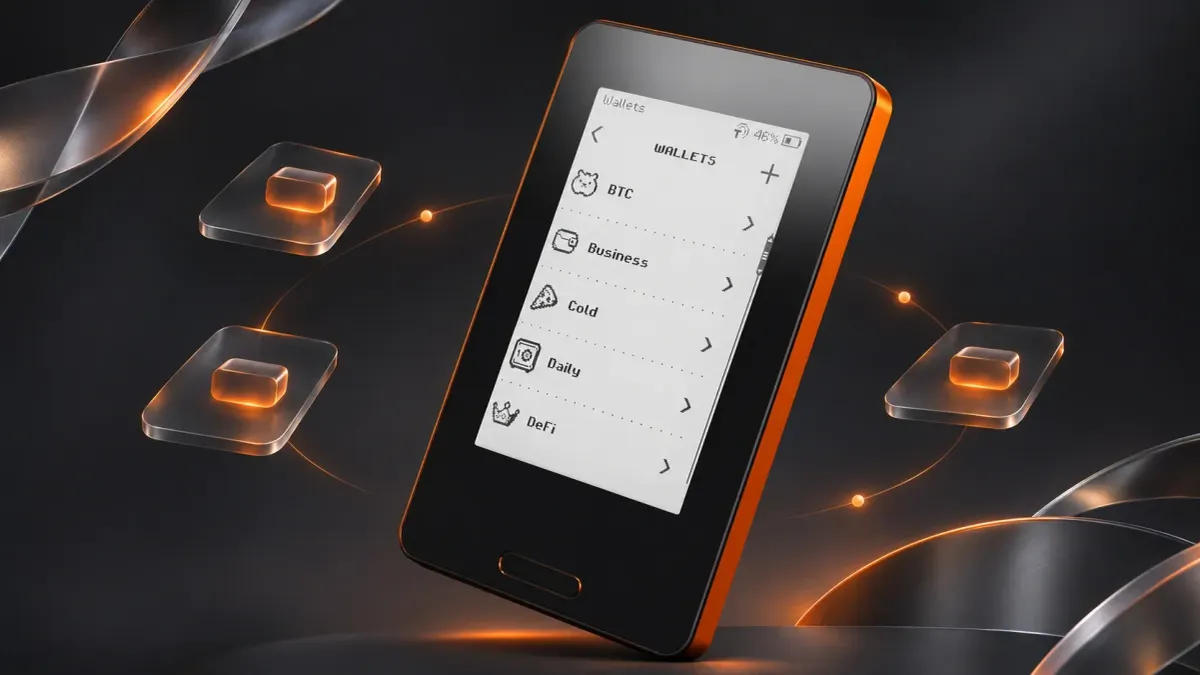
Using one crypto wallet for long-term savings, everyday payments, and experimental DeFi transactions puts very different activities under the same security assumptions. One malicious approval or compromised recovery phrase can expose funds that were never meant to be involved in risky transactions.
Separating funds can limit the damage. But every additional seed phrase creates another backup to protect, another recovery process to remember, and another opportunity for human error. The useful question isn't how many wallets you can create. It's which risks actually need to be separated.
Why Separate Your Crypto Wallets?
Imagine keeping your savings in the same wallet you use to connect to unfamiliar decentralized applications. When you interact with DeFi, you may grant smart contracts permission to move specific tokens. Some ERC-20 approvals allow spending up to an unlimited amount. As Ethereum.org explains, these permissions can remain active until revoked.
An approval normally applies to a particular token, spender, and wallet address. It doesn't automatically authorize spending from every address you control. That makes a separate DeFi wallet useful: you can limit its balance and avoid exposing long-term holdings to permissions granted during experimentation.
However, separate addresses don't always mean separate secrets. If several accounts come from one recovery phrase, losing that phrase can compromise all of them.
Three Wallet Roles Worth Considering
1. Everyday Wallet
Your daily wallet handles routine transfers, payments, and smaller transactions. A hot wallet on your phone may be convenient for this role. The tradeoff in the cold wallet vs hot wallet decision is accessibility versus exposure to the connected environment.
Keep only what you reasonably need for regular activity.
2. Long-Term Storage Wallet
This wallet holds assets you don't plan to move regularly. A hardware wallet can keep private keys and signing operations isolated from the general-purpose computer or smartphone used to prepare transactions. That reduces certain malware risks, although it doesn't prevent someone from approving a malicious transaction.
For broader security considerations, see our guide to five hardware wallet security decisions.
3. Experimental Wallet
This wallet is for new protocols, NFT mints, unfamiliar dApps, and other higher-risk activities. Set a fixed budget and avoid keeping significant balances there.
One Seed Phrase or Multiple Independent Wallets?
Hierarchical deterministic (HD) wallets can generate multiple accounts and addresses from one underlying seed.
The distinction matters for crypto wallet security:
- Different accounts, same seed phrase: A malicious token approval on one address doesn't automatically affect another. But someone who obtains the root recovery secret may reconstruct all associated accounts.
- Independent seed phrases: Each wallet has a separate root secret. Compromising one phrase doesn't automatically reveal the others.
The underlying derivation model is described in BIP-32. You can also explore how private keys are created and our separate article about hardware wallets supporting multiple seed phrases.
The Hidden Cost of More Wallets: More Backups
Every independent seed requires a recovery plan. Losing its only backup, confusing it with another phrase, or forgetting an additional passphrase can make the associated funds inaccessible.
Bitcoin.org's wallet security guidance covers these practical risks.
You can maintain a wallet inventory without recording any secrets:
| Record | What to Track |
|---|---|
| Long-term | Purpose, supported networks, public addresses |
| Daily | Purpose and spending limit |
| DeFi | Connected protocols and active use |
| Backup | Coded location reference, not recovery words |
| Recovery test | Date and result of the last successful check |
Swipe the table sideways to see all columns
Never put seed phrases, private keys, wallet passwords, or passphrases into this inventory.
Passphrases and Wallet Passwords Are Not the Same
A BIP-39 passphrase changes the cryptographic seed derived from the recovery phrase. Different passphrases create different sets of keys and addresses, even when the original recovery words are identical.
Under the BIP-39 specification, the exact passphrase is necessary to reconstruct the intended wallet. Losing it can mean losing access to the associated funds.
An additional access password isn't a substitute for an independent seed phrase, while a passphrase introduces another recovery secret you must preserve.
How ERA Wallet Device Manages Multiple Independent Wallets
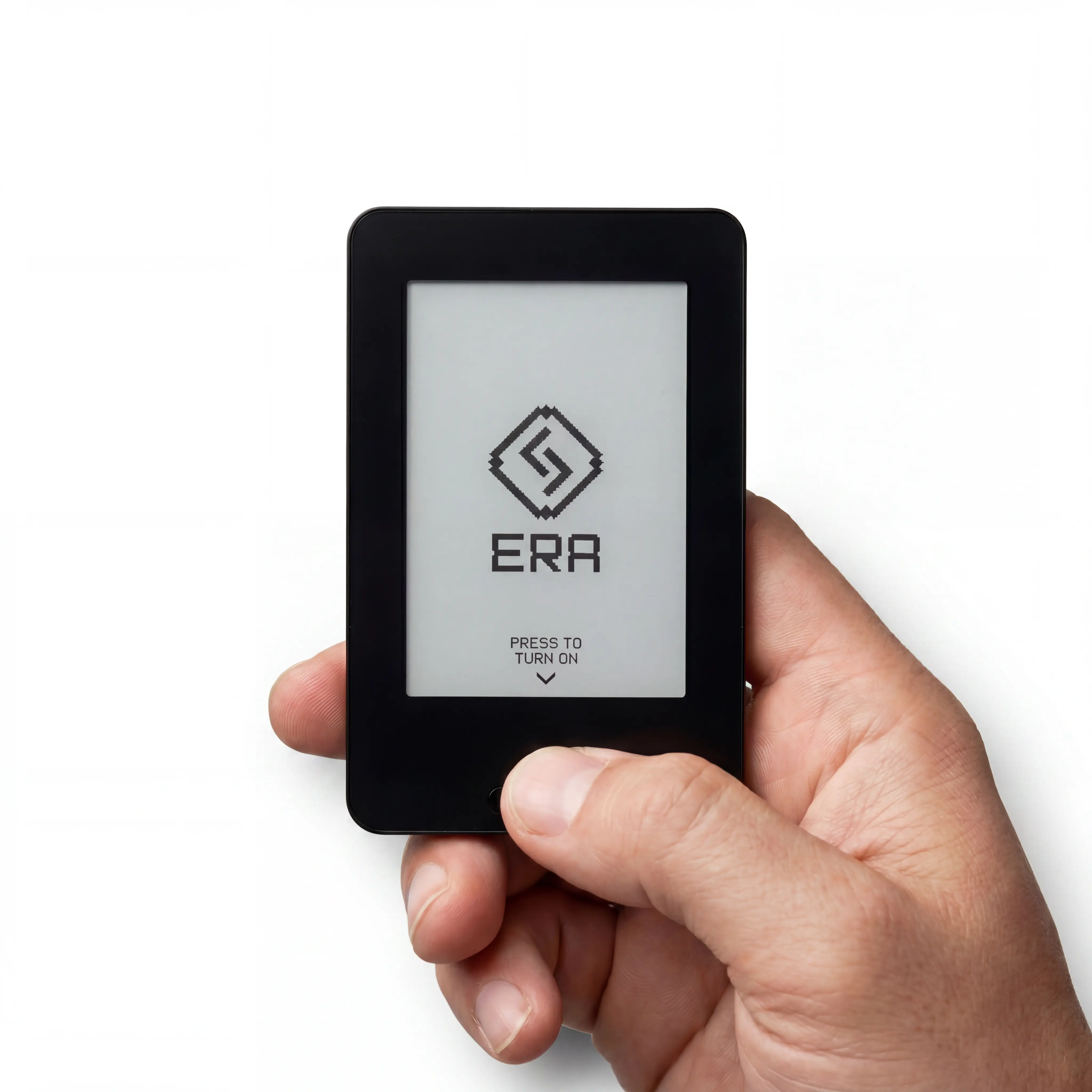
ERA Wallet device supports up to 10 wallets, each with its own independent seed phrase. You can separate long-term savings, everyday transactions, and experimental funds without needing a different hardware device for every role.
Users can create or restore wallets, give them individual names, and switch between them on the same device. Each wallet can have its own PIN or password, or you can rely on the device-level PIN without adding another password to that particular wallet.
Consider a wallet used frequently for payments. You can leave it without an additional wallet password for convenience. When scanning a signing request, ERA Wallet device automatically identifies the matching wallet, provided that wallet doesn't require separate unlocking. There's no need to switch wallets manually or enter another password before reviewing the transaction. Signing still requires confirmation on the device.
Each independent wallet also has its own backup options. Recovery words can be recorded on paper or saved in encrypted form on an ERA Recovery Card. Three ERA Recovery Cards are included with ERA Wallet device.
You can back up one wallet to a single card or use multiple copies. Alternatively, Shamir Backup can divide the recovery secret into shares. With a 2-of-3 configuration, any two shares can restore the wallet, while one share alone is insufficient. Each share can be stored on a separate Recovery Card.
ERA Wallet device also supports a BIP-39 passphrase, allowing a distinct set of addresses to be derived from a recovery phrase. Restoring those addresses requires both the original phrase and the exact passphrase.
How Many Wallets Are Enough?
| Your Situation | Suggested Starting Structure |
|---|---|
| Long-term holding only | One wallet with a tested backup |
| Holding and regular payments | Two roles: storage and daily spending |
| Holding, payments, and DeFi | Three roles, including a limited experimental wallet |
| Large or complex portfolio | Multiple independent storage arrangements and recovery procedures |
Swipe the table sideways to see all columns
FAQ: How Many Crypto Wallets Should You Have?
How Many Independent Wallets Can ERA Wallet Device Store?
Up to 10 wallets, each with its own independent seed phrase. They can be named and configured with individual access settings.
Does ERA Wallet Device Automatically Select the Right Wallet for Signing?
Yes, for supported signing requests when the matching wallet has no separate wallet password. Password-protected wallets require manual selection and unlocking.
Can ERA Wallet Device Back Up Multiple Wallets Using Recovery Cards?
Yes. Each wallet can have its own card backup, and Shamir shares can be stored on separate cards. ERA Wallet device includes three ERA Recovery Cards.
What Is a Crypto Wallet?
A tool that manages cryptographic keys used to receive assets and authorize blockchain transactions. The assets themselves are recorded on the blockchain.
What Is the Best Crypto Wallet?
That depends on how you use crypto. Daily payments prioritize accessibility, while long-term storage places greater emphasis on key isolation, backup reliability, and recovery.
Conclusion
For someone who saves, spends, and explores DeFi, three wallet roles offer a practical starting structure. They don't necessarily require three separate seed phrases.
Use independent keys where compromising one recovery secret would otherwise expose assets that should remain isolated. Then make sure every additional wallet has a recovery method you can actually maintain. The goal is a setup where access, exposure, and recovery remain understandable as your holdings and activities grow.
Up to 10 Wallets. One Device.
Manage up to 10 wallets with independent seed phrases on a single ERA Wallet device. Use the code below for 20% off.
Read more

Bitcoin Mixer vs CoinJoin: Why Mixed Bitcoin Still Leaves a Trail
CoinJoin can weaken transaction heuristics, but it does not make Bitcoin invisible. Learn why mixed coins still leave measurable traces and what Bitcoin users should understand about privacy.

Quantum Computing Bitcoin Risk: Which Addresses Are Exposed and Why Reuse Matters
Learn which Bitcoin outputs expose public keys, why reusing receiving addresses increases future quantum exposure, and what holders can safely do while upgrades remain under discussion.
K3 Capital and Reental Crypto Hack: How Two DeFi Exploits Drained $4.38M
A flash loan manipulated sBOLD vault pricing, while proxy upgrades exposed Reental’s lending markets. Learn how both exploits unfolded and which contract risks to check before depositing.

Gonka AI Bridge Exploit: How a Signing Key Change Enabled Unbacked Tokens
An attacker changed Gonka's bridge signing key, drained stablecoin reserves, and minted unbacked WGNK. Learn how the authorization system worked and which bridge risks users should check.