Your Bitcoin Test Transaction Worked. Is the Next Transfer Safe?
A successful Bitcoin test transaction doesn't guarantee your next transfer is safe. Learn what a test proves, when to reuse an address, and what to verify.


Imagine you want to move 1 BTC to a hardware wallet. Rather than sending it all at once, you first transfer 0.001 BTC.
The transaction confirms. The funds arrive. Can you safely send the remaining 0.999 BTC?
Not automatically. A successful test tells you the first transfer worked. It does not guarantee the next one will be safe.
What does a test transaction actually prove?
A small transfer helps confirm that:
- Bitcoin was sent to the specified address.
- The transaction received confirmation on the network.
- The receiving wallet detected the payment.
It does not prove that the address in your next transfer will be correct. Nor does receiving funds prove that your backup can restore access if you lose the device.
A test checks a payment, not your entire custody setup.
Should you use the same address twice?
Bitcoin privacy guidance recommends using a fresh address for each payment. Reusing an address makes it easier for outside observers to link transfers.
That creates two choices:
Option 1: Send the test and main transfer to the same address.
You know the small payment reached that destination. But the two transfers are publicly linked to one address, reducing privacy.
Option 2: Use two different receiving addresses.
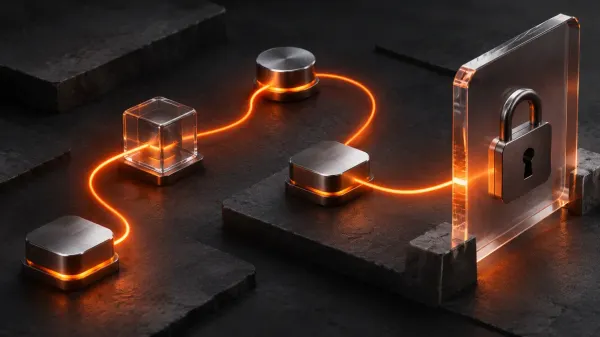
The test arrives at address A; the larger payment goes to address B. Both can belong to the same wallet, but a successful payment to A does not verify B. You need to check the new address separately.
For background, see Bitcoin.org’s privacy guidance.
Why a test cannot replace address verification
Suppose your test transfer succeeded. Before the larger transfer, you copy the receiving address again - but malware replaces it in your clipboard. The next payment could go to an attacker even though the test was perfect.
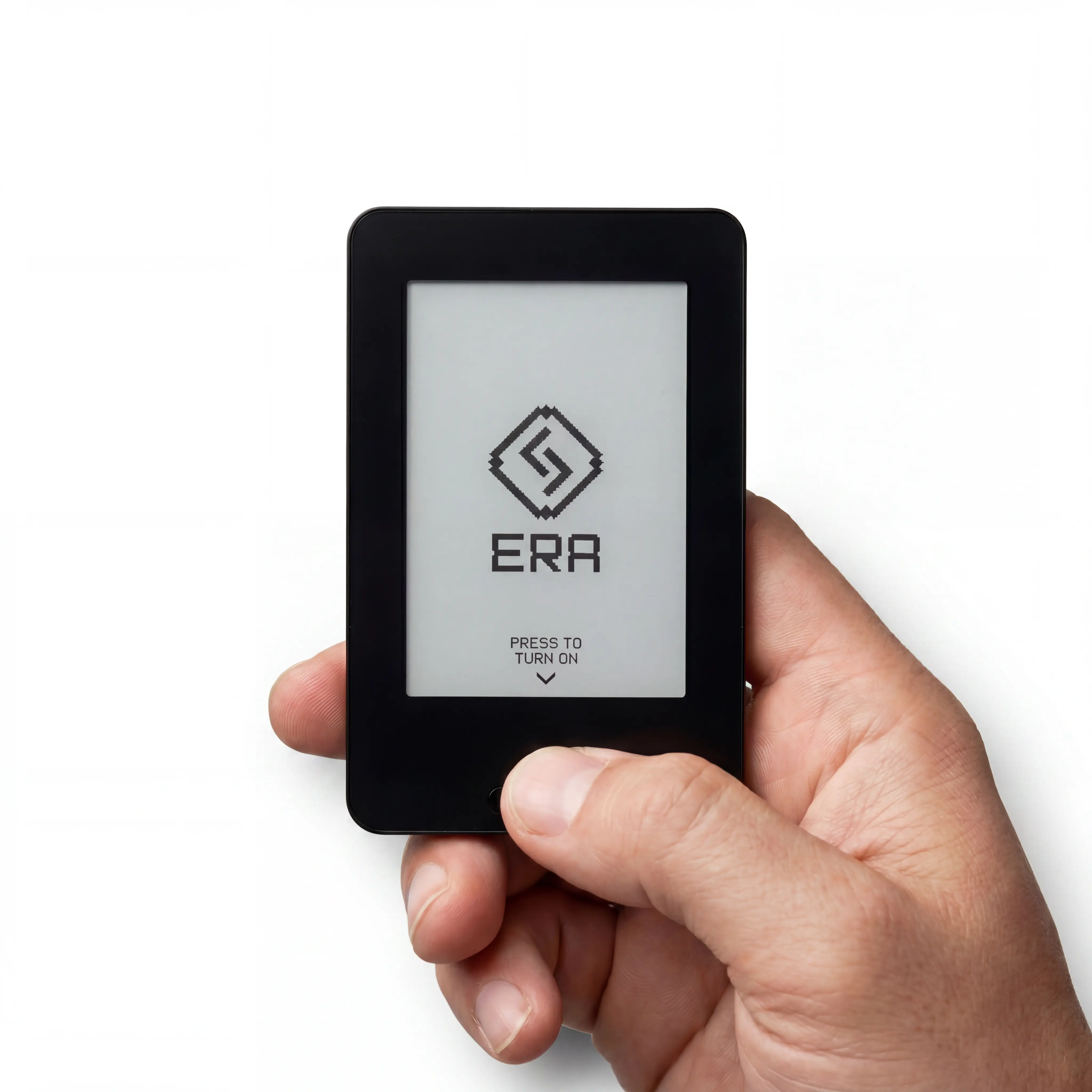
That is why you should verify the full receiving address against the address shown on your hardware wallet’s trusted screen, when that verification is supported. Do not rely on the computer or phone screen alone.
If you are paying someone else, independently confirm that the address really belongs to the intended recipient. A device cannot establish the person’s identity for you.
A practical checklist for large Bitcoin transfers
- Get a receiving address from your wallet’s Receive function.
- Check the full address on the hardware wallet, then match it with the withdrawal or send form.
- Send a small test amount and wait for confirmation and receipt.
- Check the address again before sending the main amount - even if you reuse the same one.
- Confirm the main transaction and make sure the funds appear in the intended wallet.
For a newly configured wallet, also make sure your recovery method works. A successful incoming payment is not a recovery test.
The bottom line
A test transaction is a useful precaution, not a guarantee. It shows that one payment succeeded. Address verification checks where the next payment is going, while fresh addresses help protect privacy.
Test the transfer. Verify the address. Do not confuse the two.
Verify before you transfer
Explore hardware-based security with ERA Wallet. Use the code below for 20% off.